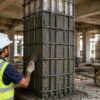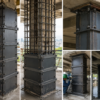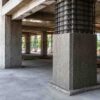
Column Jacketing Contractors for Retrofitting of RCC Structures
Column Jacketing Contractors play a critical role in strengthening aging RCC structures affected by structural deterioration, reinforcement corrosion, increased service loads, poor construction practices, seismic upgrade requirements, and changes in building usage. Through engineered column jacketing solutions, they restore the load-bearing capacity, improve structural stability, enhance earthquake resistance, and significantly extend the service life of reinforced concrete (RCC) buildings, industrial facilities, bridges, commercial complexes, and other infrastructure assets offering a reliable and cost-effective alternative to demolition and reconstruction.
Why Column Jacketing is Essential for RCC Retrofitting?
Columns are among the most critical structural elements in any building. Any reduction in their strength can compromise the stability of the entire structure.
Column jacketing strengthens existing RCC columns by increasing their load-bearing capacity, stiffness, ductility, and resistance to future deterioration. It is widely adopted for structural rehabilitation projects where preserving the existing structure is both technically and economically beneficial.
Column Jacketing Contractors carry out detailed structural assessments before recommending the most suitable retrofitting method, ensuring compliance with relevant engineering standards.
Common Situations That Require RCC Column Jacketing Services
RCC Column jacketing Services recommended when structures experience:
- Reduced structural capacity due to aging
- Reinforcement corrosion
- Concrete spalling and deterioration
- Increased floor loads after renovation
- Building vertical extensions
- Industrial machinery installation
- Earthquake damage
- Structural design deficiencies
- Fire-damaged RCC members
- Cracks affecting structural performance
Early intervention prevents progressive structural damage and significantly reduces long-term repair costs.
Benefits of Hiring Professional Column Jacketing Contractors
Choosing experienced Column Jacketing Contractors ensures the strengthening system performs as intended throughout the remaining life of the structure.
Increased Load Carrying Capacity
Structural Jacketing increases the cross-sectional area of the column, allowing it to safely support additional structural loads.
Improved Structural Stability
Retrofitted columns enhance the overall stability of buildings subjected to gravity, wind, and seismic forces.
Enhanced Earthquake Resistance
Properly designed RCC column jacketing significantly improves ductility, helping structures withstand seismic movements.
Extended Service Life
Structural retrofitting delays costly replacement by restoring damaged structural elements and protecting them from further deterioration.
Cost-Effective Rehabilitation
Compared to rebuilding, column jacketing minimizes downtime, demolition waste, and project costs while preserving the existing structure.
Improved Durability
Modern repair materials and corrosion protection systems help prevent future concrete deterioration.
Applications of RCC Column Jacketing
Column Jacketing Services provide strengthening solutions for various structures, including:
- Residential buildings
- Commercial complexes
- Industrial plants
- Warehouses
- Hospitals
- Educational institutions
- Hotels
- Shopping malls
- Parking structures
- Bridges
- Flyovers
- Government buildings
- Power plants
- Infrastructure rehabilitation projects
Types of Column Jacketing Used in Structural Retrofitting
The selection of the jacketing method depends on structural analysis, existing condition, and project requirements.
RCC Column Jacketing
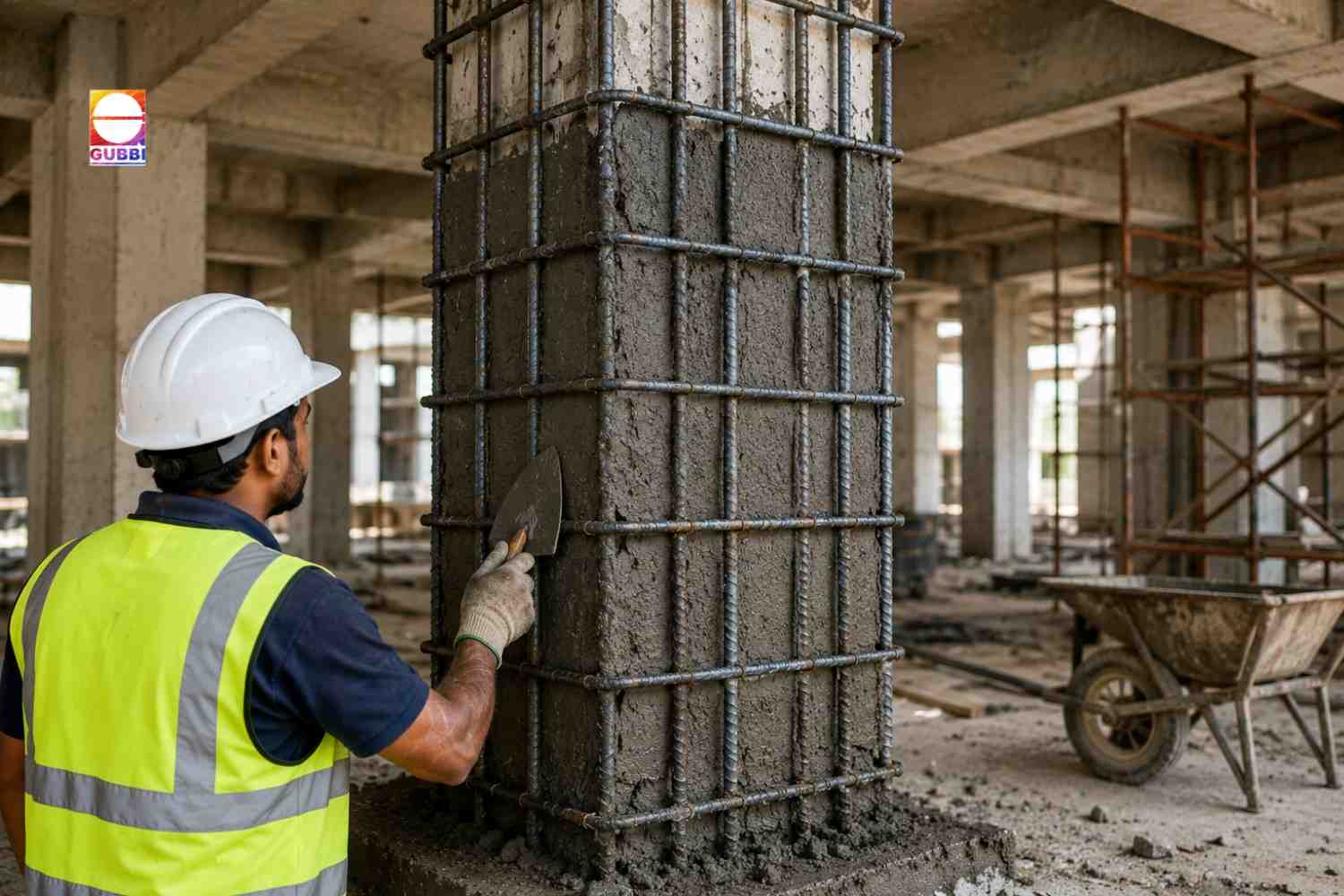
Additional reinforcement and concrete are provided around the existing column to increase strength and stiffness.
Micro Concrete Jacketing
Flowable micro concrete jacketing is used where conventional concrete placement is difficult, ensuring excellent bonding and durability.
Steel Jacketing
Steel plates or structural steel sections are installed around RCC columns for rapid strengthening and industrial applications.
FRP Column Jacketing
Fiber Reinforced Polymer (FRP) systems offer lightweight, high-strength confinement with minimal increase in member dimensions.
How Professional Column Jacketing Contractors Execute the Work?
A systematic strengthening process ensures long-term structural performance.
1. Structural Assessment
Detailed inspection identifies distress, cracks, corrosion, and load deficiencies.
2. Condition Evaluation
Engineers assess concrete quality, reinforcement condition, and structural integrity.
3. Structural Design
A customized retrofitting design is developed based on structural calculations and project requirements.
4. Surface Preparation
Loose concrete is removed, damaged areas are repaired, and reinforcement is cleaned and treated.
5. Reinforcement Installation
Additional reinforcement is fixed according to the approved strengthening design.
6. Jacketing Execution
Concrete, micro concrete, steel, or FRP systems are installed using approved construction practices.
7. Quality Control
Every stage undergoes inspection to ensure dimensional accuracy, bonding, and structural performance.
Why Choose Experienced Column Jacketing Contractors?
Structural retrofitting demands technical expertise, quality materials, and precise execution. Experienced contractors provide:
- Comprehensive structural evaluation
- Customized strengthening solutions
- Skilled engineering teams
- High-quality repair materials
- Compliance with structural design standards
- Timely project execution
- Long-term structural reliability
- Minimal disruption to occupied buildings
The success of any retrofitting project depends on accurate engineering assessment and professional execution.
How do I know if my building requires column jacketing?
Visible cracks, concrete spalling, reinforcement corrosion, increased structural loads, seismic upgrading requirements, or structural assessment reports indicating inadequate capacity are common signs that column jacketing may be necessary.
Is column jacketing better than rebuilding?
In many cases, yes. Column jacketing is a cost-effective structural rehabilitation solution that strengthens existing RCC structures while minimizing demolition, downtime, and overall project costs.
How long does a column jacketing project take?
Project duration depends on the number of columns, extent of deterioration, site conditions, and selected jacketing method. Professional contractors prepare a project-specific execution schedule after structural assessment.
Which structures can benefit from RCC column jacketing?
Commercial buildings, industrial facilities, hospitals, bridges, schools, warehouses, parking structures, and other RCC infrastructure can benefit from professional column jacketing services.
Why should I hire experienced Column Jacketing Contractors?
Experienced contractors ensure proper structural evaluation, engineered retrofitting design, quality workmanship, adherence to industry standards, and long-term structural safety.
Conclusion
Column jacketing remains one of the most effective structural strengthening techniques for deteriorated RCC structures. Whether addressing corrosion damage, increasing load capacity, or upgrading buildings for seismic performance, professional Column Jacketing Contractors deliver engineered retrofitting solutions that improve safety, durability, and structural performance.
Investing in timely RCC column strengthening helps protect valuable infrastructure, reduce future repair costs, and significantly extend the service life of existing buildings.